
The Challenges of Big Data in the Public Sector
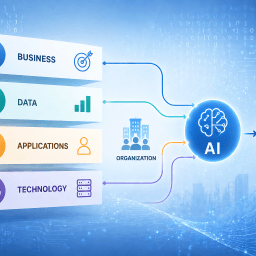
Public sector entities generate and maintain enormous quantities of data derived from domains such as healthcare, taxation, transportation, and social welfare. The increasing volume and variety of data produced by public sector entities have rendered traditional data management methods insufficient, since public administrations must integrate heterogeneous datasets and at the same time ensure data quality and extract meaningful insights. The relevant limitations may result in delayed decision-making and inefficient utilization of valuable informational resources. Hence, the use of more sophisticated tools capable of addressing these complexities is imperative. Artificial Intelligence (AI) has become a central component of contemporary digital transformation, particularly in relation to the management and analysis of large-scale datasets. In this framework, by providing advanced methods for processing, analyzing, and leveraging complex data structures, AI technologies offer effective data utilization that, in turn, will improve drastically administrative efficiency.
The Contribution of Artificial Intelligence in Key Public Sector Domains
AI offers a broad range of technological approaches that can significantly enhance the capacity of public institutions to manage large-scale data by enabling automated classification, organization, and analysis of datasets, thus facilitating the identification of patterns, correlations, and anomalies. By making such capabilities available to the public sector, AI makes feasible the transformation of raw data into manageable knowledge, resulting in improved operational performance and offering efficient strategic planning within the public sector. So far, the implementation of AI has demonstrated remarkable potential in various areas of the public sector. Indicative domains are healthcare and taxation. In healthcare, AI-supported systems can analyze patient data to provide early diagnosis or predict epidemiological trends. In the field of taxation, AI has successfully been employed to detect irregularities and mitigate fraud.
Enhancing Evidence-Based Decision-Making
A critical advantage of AI lies in its capacity to support evidence-based policymaking. By integrating and analyzing both historical and real-time data, AI contributes to a rational and objective decision-making process, minimizing reliance on subjective judgment. Thus, AI systems based on empirical evidence can support public policies better aligned with societal needs. An indicative such example is provided by AI models used in urban planning that simulate complex scenarios related to traffic management, population dynamics, and environmental sustainability. The related applications evidence the versatility and effectiveness of AI in addressing diverse administrative challenges.
Improving the Delivery of Public Services
AI also plays a significant role in enhancing the quality and accessibility of public services. The use of intelligent systems, such as chatbots and virtual assistants, enables better communication between citizens and public entities. By contributing to a more responsive and targeted citizen-centric public administration, AI can facilitate the personalization of services, thus improving user experience and increasing citizen satisfaction.
Ethical Considerations and Data Protection
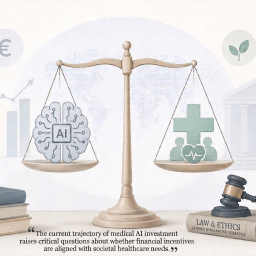
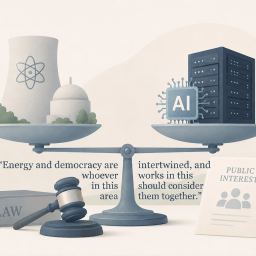
Given the sensitive nature of governmental data, the integration of AI in the public sector, in addition to the numerous advantages offered, raises important ethical and legal concerns related to data privacy and security. Moreover, unequal or discriminatory outcomes may appear due to the potential presence of bias in AI algorithms. Addressing the related challenges requires a robust regulatory framework as well as mechanisms to ensure transparency, accountability, and fairness in AI systems.
Implementation Challenges
The adoption of AI in the public sector is often constrained by two basic limitations. The first is that a high percentage of the governmental infrastructure is outdated and may not be compatible with advanced AI applications. The second is that the effective implementation of AI necessitates both substantial financial investment and specialized skills of public sector employees. For the effective integration of AI in the public sector, overcoming these structural and organizational constraints is imperative
Conclusion
Artificial Intelligence constitutes a powerful tool towards enhancing the management of large-scale data in the public sector. Its capacity to improve efficiency, support evidence-based decision-making, and optimize service delivery highlights its transformative potential. On the other hand, the successful adoption of AI in the public sector requires overcoming important structural and organizational constraints and careful dealing with ethical, technical, and organizational problems. By successfully addressing the relevant challenges, the various sectors of public administration can leverage the benefits of AI to achieve more effective, transparent, and inclusive governance.